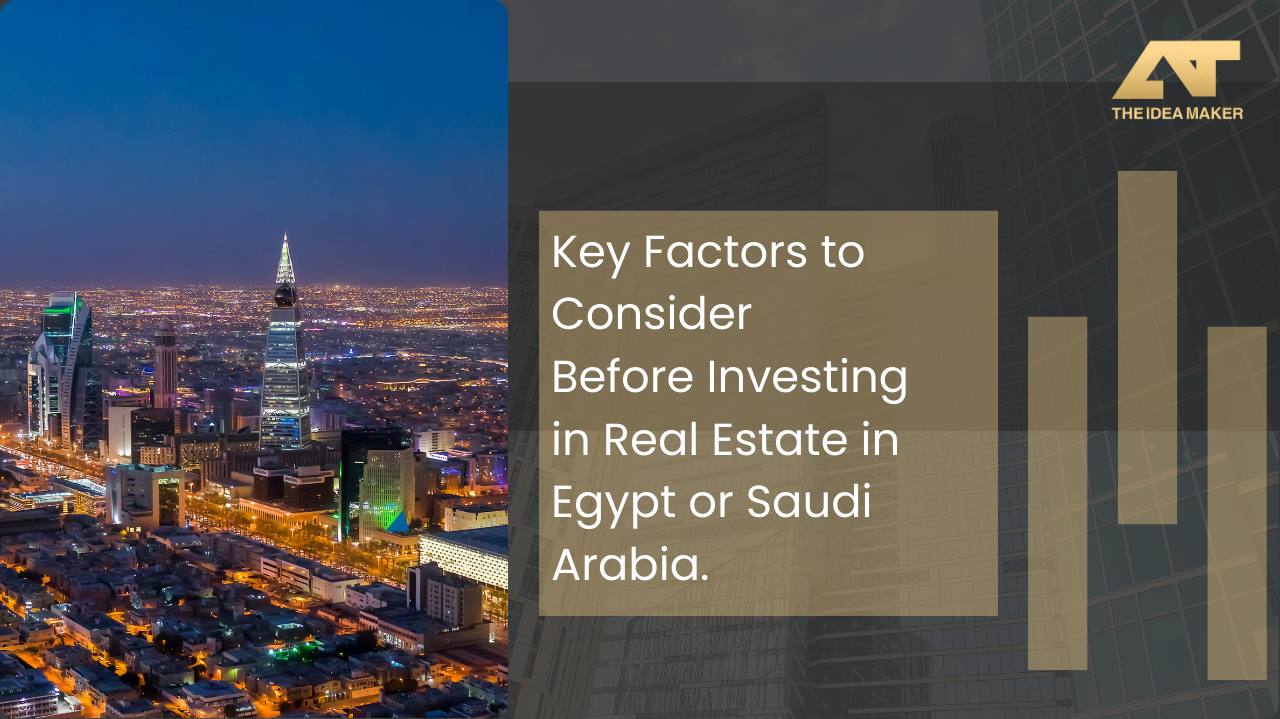
Key Factors to Consider Before Investing in Real Estate in Egypt or Saudi Arabia
When it comes to building wealth, property remains a top contender. Whether you’re looking to invest in Egypt or invest in KSA, having a clear understanding of the local markets is crucial. This article outlines essential property investment tips and provides a beginner’s checklist for real estate investors in Egypt and KSA. We also explore the legal and financial aspects of real estate investment in the Middle East and cover important things to know before buying property in Saudi Arabia or Egypt.
How Local Market Dynamics Shape Property Investment
Each country has unique market dynamics. In Egypt, population growth, urban expansion, and rising tourism make certain regions like New Cairo, New Alamein, and the New Administrative Capital attractive. Residential real estate in Cairo appreciated by an average of 12–15% annually since 2018. In particular, New Cairo apartments have recorded consistent 12% annual appreciation.
In KSA, Vision 2030 has fueled real estate development in Riyadh, Jeddah, and futuristic cities like NEOM—with residential prices in Riyadh rising by 15% in 2023. Additionally, rental yields in premium districts of Riyadh averaged 6–8% in 2024, comfortably outpacing inflation. If you plan to invest in Egypt or invest in KSA, studying current trends is one of the most important property investment tips.
Legal and Financial Aspects of Real Estate Investment in the Middle East
Legal and financial due diligence is fundamental. In Egypt, real estate law allows foreign ownership under specific regulations, especially in designated investment zones. Title deed verification, tax implications, and rental agreements must be thoroughly reviewed.
In Saudi Arabia, foreigners can now invest in certain zones under regulated conditions. Key legal aspects include zoning restrictions, title registrations, and understanding your rights as a foreign investor. The Real Estate General Authority in KSA provides investor resources through digital portals. These are critical legal and financial aspects of real estate investment in the Middle East.
Beginner’s Checklist for Real Estate Investors in Egypt and KSA
A structured approach increases your chances of success. Here’s a quick beginner’s checklist for real estate investors in Egypt and KSA:
- Study the market trends in target cities.
- Understand community rules and maintenance fees.
- Calculate all expected costs including taxes, notary, and registration.
- Evaluate financing options available for expats.
- Check the developer’s track record and delivery timelines.
- Explore short-term rental legality in each country.
These are some of the most vital things to know before buying property in Saudi Arabia or Egypt.
Property Location: Where You Invest Matters
Location significantly impacts rental income and appreciation. In Egypt, investment hotspots include 6th of October City, Sheikh Zayed, and coastal cities like Hurghada and Ain Sokhna. If you’re planning to invest in Egypt, consider access to schools, transportation, and commercial zones.
In KSA, North Riyadh, Al-Malqa, and parts of Jeddah have witnessed high growth. Investors looking to invest in KSA should prioritize properties near infrastructure projects and public services. Choosing the right area is one of the most important property investment tips.
Financing Options and Mortgage Structures
Securing finance is an essential part of the investment journey. In Egypt, banks now offer flexible mortgage plans with capped interest rates. Developers also provide installment options with low down payments.
In KSA, Islamic financing dominates. Investors can also explore real estate investment funds backed by government initiatives. Before you invest in Egypt or invest in KSA, compare interest rates, loan-to-value ratios, and approval times.
Real Estate Budgeting: Planning for the Unseen
Budgeting for hidden costs is crucial. Maintenance, community fees, insurance, furnishing, and taxes can significantly affect ROI. Whether you invest in Egypt or invest in KSA, always calculate total ownership costs.
In Egypt, rental income is subject to a tax that varies by unit type. In Saudi Arabia, non-residents may be liable for VAT on commercial property transactions. Understanding these figures is a top priority when reviewing the legal and financial aspects of real estate investment in the Middle East.
Short-Term Rentals and Tourism-Driven Investment
In both countries, tourism is driving demand for short-term rentals. Egypt allows Airbnb-style leasing in many resort areas. In Saudi Arabia, new tourism zones such as AlUla and the Red Sea project now permit regulated short-stay rentals. These are great revenue streams to consider and highlight key things to know before buying property in Saudi Arabia or Egypt.
Capital Gains and Taxation: Planning Ahead
Understanding tax rules helps maximize returns. In Egypt, capital gains tax is waived if you sell your primary residence after a set period. In KSA, Zakat or VAT may apply based on the property’s use. Smart investors always consult legal experts on taxes and transfer duties.
Quality Developers and Their Effect on Property Value
Investing with credible developers reduces risks. In Egypt, names like Talaat Moustafa and Mountain View are associated with timely delivery. In KSA, PIF-backed projects provide investor confidence.
Resale value is influenced by construction quality, location, and developer reputation. Always do your homework—site visits, reading online reviews, and consulting agents are necessary steps.
Understanding Community Rules and Exit Strategies
Some mixed-use projects in Egypt and Saudi Arabia have strict HOA rules. These may affect rental activity or resale options. Investors should ask for these terms upfront.
Planning your exit strategy is also key. Will you sell after capital appreciation or rent long-term? Having a timeline for return on investment is among the most practical property investment tips.
Insurance, Utilities, and Infrastructure
Check for utility readiness and insurance coverage. In Egypt, some compounds include bundled utility packages.
In KSA, new developments offer modern infrastructure and disaster protection, especially in high-risk zones like coastal areas. Fire safety, structure warranties, and flood insurance are important things to know before buying property in Saudi Arabia or Egypt.
Cultural and Language Awareness
Contracts in both countries are usually drafted in Arabic. Fluency or a trusted translator is essential. Whether you invest in Egypt or invest in KSA, misunderstanding legal documents can lead to disputes. Always hire a local legal expert to guide you.
Final Thoughts: A Strategic Move Toward Wealth
In a region where wealth is measured not just in money but in legacy, property remains the most resilient and rewarding asset. For investors in Egypt and Saudi Arabia, real estate isn’t just a smart move—it’s the foundation of long-term prosperity.
When compared to volatile options like crypto or speculative stocks, real estate offers stability, income, and capital growth. With the right planning and the correct property investment tips, real estate can become a smart financial cornerstone. By using this complete beginner’s checklist for real estate investors in Egypt and KSA, and paying attention to the legal and financial aspects of real estate investment in the Middle East, you’ll have a solid foundation to invest in Egypt or invest in KSA with confidence.